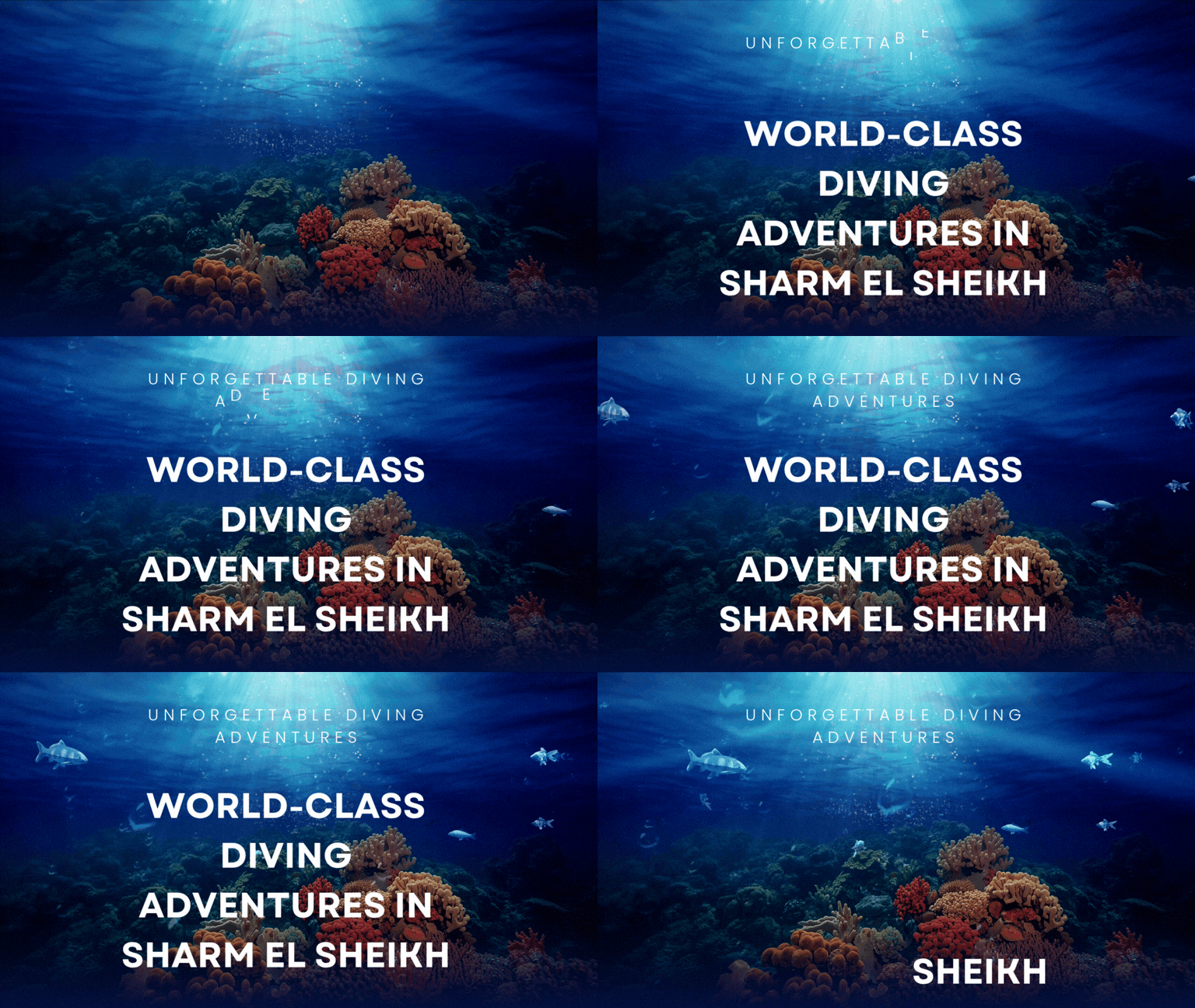

Green Scuba Diving Practices: Eco-Friendly Scuba Diving in the Red Sea
- Mar 31
- 4 min read
Scuba diving in the Red Sea is a breathtaking experience. The vibrant coral reefs, diverse marine life, and crystal-clear waters make it a top destination for underwater explorers. But as we enjoy this underwater paradise, it’s crucial to protect it. That’s where green scuba diving practices come in. By diving responsibly, we can help preserve the Red Sea’s fragile ecosystem for future generations.
Embracing Green Scuba Diving Practices in the Red Sea
When you dive in the Red Sea, you become part of a delicate underwater world. Green scuba diving practices mean taking steps to minimize your impact on the environment. It’s about being mindful of your actions and respecting marine life.
Here are some practical ways to go green:
Use reef-safe sunscreen: Many sunscreens contain chemicals harmful to corals. Choose biodegradable, reef-safe options to protect the reefs.
Avoid touching or standing on corals: Corals are living organisms. Even a slight touch can damage them.
Maintain buoyancy control: Good buoyancy helps you avoid accidental contact with the reef or stirring up sediment.
Do not collect souvenirs: Leave shells, corals, and marine life where they belong.
Dispose of waste properly: Never throw trash into the sea. Use designated bins on boats and shore.
By following these steps, you help keep the Red Sea’s underwater world vibrant and healthy.

The Importance of Eco-Friendly Equipment and Practices
Choosing the right gear and practices can make a big difference. Eco-friendly scuba diving means using equipment and methods that reduce environmental harm.
Opt for eco-friendly dive gear: Some brands offer gear made from sustainable materials or designed to last longer, reducing waste.
Use refillable air tanks: This reduces the need for disposable tanks and lowers carbon footprints.
Support local dive operators committed to sustainability: They often follow strict guidelines to protect marine life and educate divers.
Participate in reef clean-ups: Many dive centers organize underwater clean-up events. Joining these helps remove harmful debris from the ocean.
These choices not only protect the environment but also enhance your diving experience by promoting a cleaner, healthier ocean.
Why are Red Sea liveaboards so cheap?
If you’ve looked into diving holidays, you might wonder why Red Sea liveaboards are often more affordable than other destinations. Several factors contribute to this:
High competition among operators: The Red Sea is a popular diving destination with many liveaboard companies. This competition helps keep prices low.
Lower operational costs: Compared to some other regions, the cost of running liveaboards in the Red Sea can be less expensive due to local economic factors.
Shorter trip durations: Many liveaboard trips in the Red Sea are shorter, which can reduce costs.
Efficient logistics: The proximity of dive sites to ports like Sharm El Sheikh means less fuel consumption and quicker transfers.
While prices are attractive, it’s important to choose operators who prioritize safety and environmental responsibility. Affordable doesn’t have to mean cutting corners on eco-friendly practices.

How to Choose an Eco-Friendly Dive Operator in the Red Sea
Selecting the right dive operator is key to ensuring your trip supports conservation efforts. Here’s what to look for:
Environmental certifications: Look for operators certified by recognized organizations promoting sustainable tourism.
Clear environmental policies: They should have guidelines on waste management, reef protection, and wildlife interaction.
Education and training: Operators who educate divers on green scuba diving practices help spread awareness.
Community involvement: Support for local communities and conservation projects shows a commitment beyond business.
Use of eco-friendly boats: Boats with fuel-efficient engines or solar power reduce pollution.
Before booking, ask questions about their environmental policies. A responsible operator will be transparent and eager to share their efforts.
Your Role in Protecting the Red Sea’s Marine Environment
Every diver has a role in preserving the Red Sea’s underwater beauty. Beyond following green scuba diving practices, you can:
Spread awareness: Share your knowledge about eco-friendly diving with fellow divers.
Support marine conservation projects: Donate or volunteer with organizations working to protect the Red Sea.
Choose sustainable travel options: Reduce your carbon footprint by selecting eco-friendly transport and accommodations.
Practice responsible wildlife interaction: Observe marine life from a distance without chasing or feeding animals.
By taking these actions, you contribute to a global effort to safeguard our oceans.
For those interested in exploring the underwater wonders while minimizing their impact, consider eco-friendly scuba diving in the Red Sea. This approach ensures your adventure is both thrilling and sustainable.
Diving Into a Sustainable Future
The Red Sea offers some of the most spectacular diving experiences on the planet. By adopting green scuba diving practices, you help protect this treasure for years to come. Every dive is an opportunity to connect with nature and make a positive impact.
Remember, the ocean’s health depends on our choices. Dive responsibly, respect marine life, and support eco-friendly operators. Together, we can enjoy unforgettable underwater adventures while preserving the Red Sea’s vibrant ecosystem.
Your next dive can be more than just an adventure - it can be a step toward a sustainable future.


